
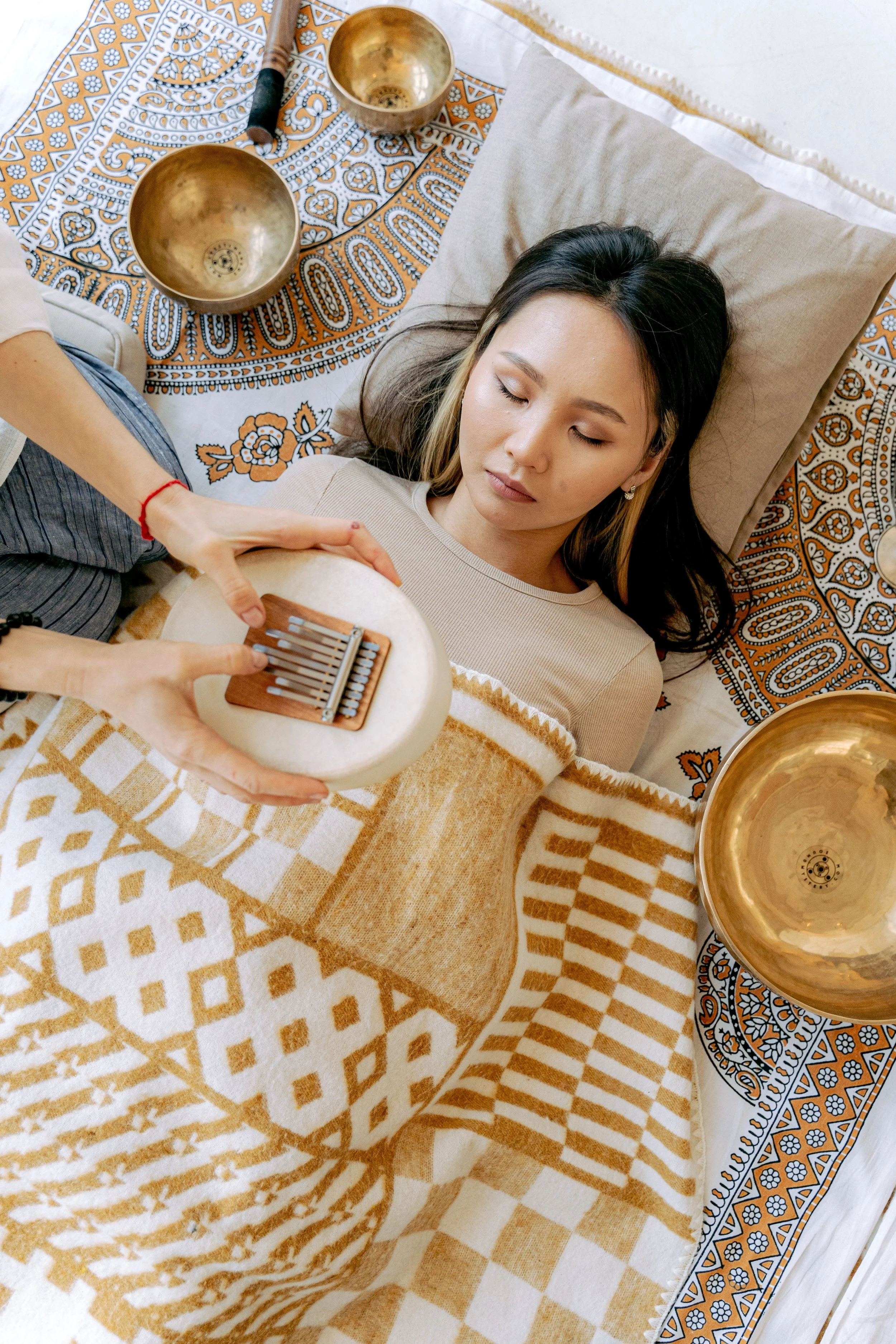
Simon and Garfunkel sang anthemically about the high social price of being unable to communicate. When it comes to healing orthopedic bone fractures and wounds, what goes unheard can have a profound impact. The power of sound frequencies is partially rooted in the inability to hear some of them.
Emerging research is adding to a growing evidence base that indicates controlled infrasound (too low for humans to hear) and low audibility frequencies can enhance orthopedic fracture and wound healing. A 2025 study published in the International Wound Journal found audiostimulation—which works by applying infrasound frequencies at 1-20 Hz— enhanced and accelerated the healing process for complicated, non-union bone fractures. Rats with defective femoral structures received infrasound at low sound pressure levels twice daily at 12-20 Hz for six weeks. The result? Radiography showed their fractures healed more smoothly along with significantly higher levels of bone marrow proliferation, bone mineral content and bone mineral density.
Sound waves function as sonic jumper cables to spark and ignite bone-healing processes– the body responds to them as it would an injury. The Exogen Bone Healing System by Bioventus is a clinically approved portable device that delivers low-pulsed ultrasound to painlessly treat both fresh and non-union fractures.
Closing Wounds, Opening Chapters to Correct Stagnated Healing
Infrasound and low audibility frequencies (20Hz-20 kHz) improved wound healing time through low frequency acoustic stimulation, increasing fibroblast migration and tissue regeneration.. Acoustic vibration at 100 Hz showed changes and responses in cells critical to healing wounds. The frequencies can also debride wounds and help patients avoid the discomfort of more traditional sharp instrument methods.
Scientists tape-stripped hairless mice to disrupt the skin barrier and exposed them to 12, 20, and 30 kHz for one hour. Although the mice experienced accelerated skin barrier recovery at all frequencies, 20 Hz, the upper level of the acoustic range, was found to be the most effective.
Using ultrasound to help orthopedic fractures heal is well documented, dating back to 1953 when researchers first discovered ultrasound’s impact on healing animals with bone fractures.
A form of ultrasound, UltraMIST, treats chronic wounds like diabetic foot ulcers. It’s noninvasive and delivered through saline with no direct contact with the skin.
Ultrasound frequencies sit at 20,000 Hz or above, outside the range of normal human hearing. NYU Langone Bone Healing Centers deliver low-intensity pulsed ultrasound through the skin to activate fresh and nonhealed fractures to respond to a received injury and induce or accelerate healing. This helps fresh and non-union orthopedic fractures that might otherwise require surgery or other intervention to heal without surgery. It’s non-invasive and drug-free.
In contrast to infrasound frequencies at 20 Hz, which is too low-pitched for humans to hear, ultrasound frequencies are too high-pitched at 20,000 Hz and above.
Purrceding Medical Technology: The Cat/Soundwave Therapy Connection
The quote “time spent with cats is never wasted,” seems especially true when recovering from a broken bone or other injury.
When a purring cat settles in your lap, it can be hard for cat lovers to not find the sound soothing. It’s not uncommon to occasionally encounter a person, often wearing a bit of shed feline fur visible on their clothing, who confides, wide-eyed, “I’m telling you, this cat HEALED me.” This impassioned statement has some weight behind it: a domestic cat’s purr, at 25-150 mHz, falls within the target range for frequency-based healing therapies for healing broken bones and sits slightly below the range of the bass human voice.
When The Doctor Is In-And Meowing
Anecdotal accounts of cats attending and mending their owners are compelling. One Redditor reports after her husband broke his femur, their cat would lay on his leg every night for months at home after completing rehab. The man’s orthopedic surgeon said he’d never seen so much new bone laid down in a patient so rapidly. Sure, the cats may just be wisely protecting their link to the wet food supply chain, but in the service of the concierge-level experience recovering in the presence the fur babies can provide, it’s a possibility many a patient besotted with their cat may be willing to accept.
Although more research is needed, infrasound and low-frequency audible frequency’s potential to establish themselves as additional complementary and noninvasive bone and wound healing therapies is promising.
* Sound wave therapy is not for everyone. Please consult your doctor before trying it.